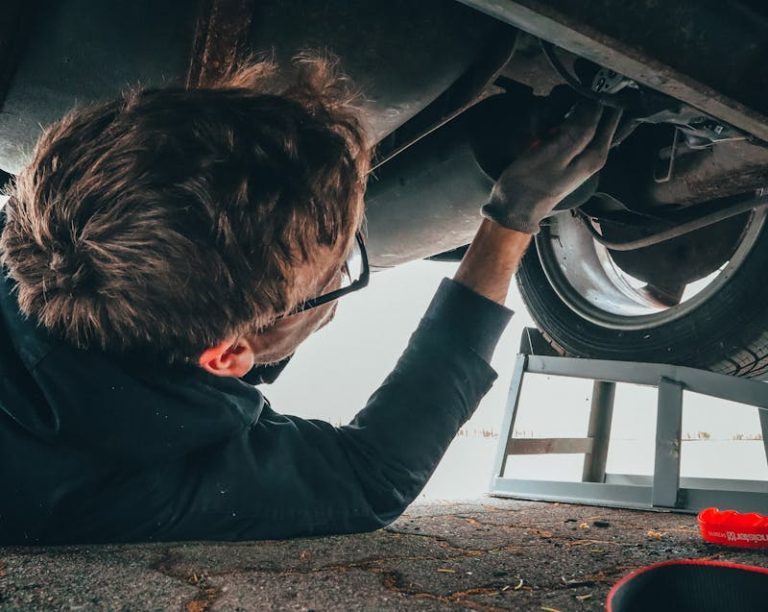
Essential Vehicle Upgrades and Services Before Long Road Trips
Long road trips ask more of a vehicle than everyday commuting. Hours at highway speed, heavier cargo, changing temperatures, mountain grades, and unfamiliar roads can expose weaknesses that never appear during short drives around town. That is why good preparation should begin well before the day you leave.
A thorough pre-trip plan looks beyond basic fluid checks. Drivers should review maintenance history, inspect safety systems, pay attention to warning signs, evaluate modifications, and make sure they have a plan for roadside problems. A lightly loaded sedan on flat highways faces different demands than a modified truck carrying passengers, luggage, and a trailer through mountain terrain.
The goal is not to eliminate every possible problem. No inspection can guarantee that a component will not fail unexpectedly. Instead, preparation reduces avoidable risk and gives you time to address concerns. The following steps can help make a long-distance trip safer, more comfortable, and less stressful.
Complete a Safety and Maintenance Check Several Weeks Early
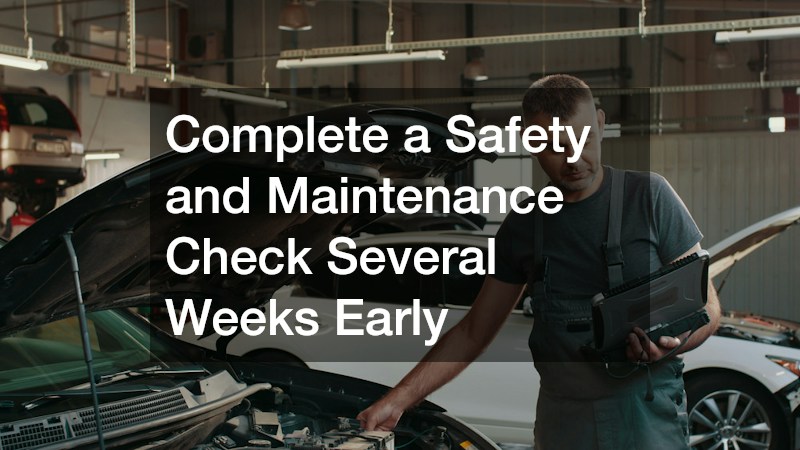
The best time to discover a problem is several weeks before departure, not the evening before a trip. Start by reviewing your maintenance records and comparing them with the vehicle manufacturer’s recommended schedule. If you cannot remember when a service was performed, check receipts, digital records, or the maintenance log rather than guessing.
Common items to review include:
- Engine oil and filter changes
- Coolant service
- Battery age and condition
- Tire rotations and alignments
- Air and cabin filters
- Belts and hoses
- Spark plugs where applicable
- Manufacturer-recommended mileage services
Scheduling local auto repair early gives you time to diagnose unusual symptoms, order parts if necessary, and drive the vehicle afterward to confirm the issue has been resolved. Mention anything that has changed recently, even if it seems minor. A new vibration, intermittent warning light, slower starting, unusual odor, or occasional fluid spot may be more important during an extended trip than during a short commute.
Tires deserve a detailed inspection. Check pressure when the tires are cold, and use the vehicle placard or owner’s manual for the recommended setting rather than the maximum pressure printed on the tire sidewall. Look for uneven wear, cuts, cracking, bulges, or objects embedded in the tread. Do not forget the spare tire if the vehicle has one, and confirm that the jack and lug wrench are present and usable.
Stopping performance should receive the same attention. Squealing, grinding, pedal pulsation, pulling, a soft pedal, or longer stopping distances can all justify an evaluation before travel. If auto brake repair is recommended, ask which parts are worn, how much friction material remains, and whether the rotors, calipers, hoses, and fluid were also checked.
Finally, take the vehicle on a 30- to 60-minute local drive that includes highway speeds. Watch the temperature gauge, listen for new noises, and pay attention to steering, acceleration, and braking. A realistic test drive can reveal issues that do not appear during a quick trip around the block.
Resolve Powertrain Problems Before Adding Highway Miles
Engine and transmission problems can become much more disruptive when a vehicle is far from home. Long periods of continuous operation, towing, steep grades, and high temperatures can place additional stress on systems that are already showing signs of trouble.
Transmission symptoms should be investigated rather than monitored indefinitely. Warning signs can include delayed engagement when shifting into drive or reverse, harsh shifts, slipping, unusual noises, fluid leaks, burning odors, or changes in engine speed without a matching increase in vehicle speed. A local transmission repair professional can determine whether the problem involves fluid condition, electronic controls, sensors, external components, or internal wear.
When describing the issue, focus on what you experience rather than trying to diagnose it yourself. Useful details include:
- Whether the symptom occurs when the vehicle is cold or fully warmed up
- The speed or gear in which it happens
- Whether it occurs during acceleration, cruising, or deceleration
- Whether towing or added weight makes it worse
- Whether any warning lights have appeared
- How long the problem has been happening
Severe engine problems require an even broader decision. If an auto engine replacement is being considered, evaluate the entire vehicle rather than the engine alone. A major investment can make sense in a vehicle with a solid body, sound transmission, good maintenance history, and many useful years remaining. It may be harder to justify if the vehicle also needs tires, suspension work, rust repair, or other expensive maintenance.
After major mechanical work, avoid leaving immediately for a multi-state trip. Put normal miles on the vehicle first. Check fluid levels, watch for leaks, confirm warning lights remain off, and take progressively longer drives. This gives you a chance to identify a loose connection, recurring symptom, or follow-up adjustment before you are hundreds of miles away.
Route selection also matters. A vehicle that performs normally on flat highways may behave differently on long mountain climbs or in extreme heat. If the trip includes demanding terrain, discuss that with the technician and make sure cooling, drivetrain, and braking systems are ready for the added load.
Prepare Modified Trucks for Highway and Loaded Driving
Modified trucks need the same basic pre-trip inspection as any other vehicle, but changes to ride height, wheel size, suspension geometry, and towing equipment can introduce additional considerations. Long highway miles and added cargo may expose issues that are less noticeable during short local drives.
Before traveling, inspect steering, suspension, tires, wheel bearings, brakes, cooling-system components, and driveline parts. Any needed truck repairs should be handled before the vehicle is loaded with passengers, luggage, tools, or a trailer. A small vibration that seems tolerable around town can become exhausting or damaging after hours at highway speed.
A truck equipped with a lift kit should also be checked for issues related to the modification. Depending on the design, changes in ride height may affect alignment, steering angles, driveshaft geometry, brake hose routing, wiring, and tire clearance. Fasteners that require periodic retorquing should be checked according to the manufacturer’s instructions.
Pay particular attention to the tires. Larger or heavier tires can influence acceleration, braking feel, steering response, fuel economy, and speedometer accuracy. Confirm that the spare-tire plan matches the modified setup. A factory spare may not be an acceptable temporary solution if its overall diameter differs significantly from the tires on the truck.
Loading deserves careful planning as well. Cargo capacity is not determined by how much can physically fit in the bed or cabin. Passenger weight, luggage, tools, accessories, and trailer tongue weight all count toward the vehicle’s rated capacity.
Before departure:
- Place heavy cargo low and secure it against movement
- Use properly rated tie-downs
- Keep emergency equipment accessible
- Avoid blocking rearward visibility unnecessarily
- Check trailer connections and safety chains if towing
- Recheck exterior cargo after the first portion of the trip
If possible, take a local test drive with the truck loaded similarly to the planned trip. Pay attention to braking distance, steering response, suspension behavior, and tire pressure. The goal is to learn how the truck behaves under realistic conditions while you still have time to make adjustments.
Build a Roadside Emergency Plan Before Leaving Home
Mechanical preparation reduces risk, but it cannot eliminate the possibility of a flat tire, battery problem, overheating event, or unexpected breakdown. A roadside plan helps you respond calmly instead of trying to make decisions while stranded in an unfamiliar place.
Review your roadside assistance coverage before departure. Confirm towing-distance limits, reimbursement rules, service areas, and any exclusions. Save the provider’s contact information in your phone, but also keep it written somewhere in the vehicle in case your phone is lost, damaged, or out of power.
You should also know when to stop driving. Continuing with a serious warning can turn a manageable repair into a much larger one. Pull over as soon as it is safe if you experience severe overheating, an oil-pressure warning, sudden steering problems, significant brake failure, heavy smoke, a strong burning odor, a major fluid leak, or a damaged tire.
When contacting an emergency road service, be ready to provide clear information:
- Your exact location and direction of travel
- Vehicle year, make, and model
- A description of the problem
- Whether the vehicle can roll and steer
- Whether a trailer is attached
- Any modifications that affect clearance
- Where you want the vehicle taken if towing is required
Carry a practical emergency kit, but avoid turning a dangerous roadside location into a repair area. Reflective triangles, a flashlight, phone charger or battery bank, drinking water, basic first-aid supplies, weather-appropriate clothing, work gloves, and necessary medications can all be useful.
Personal safety comes first. Move away from traffic when possible, use hazard lights, and avoid standing between vehicles. On high-speed roads, a barrier or other protected location may be safer than remaining beside the vehicle. If the vehicle is creating an immediate traffic hazard or anyone is injured, contact emergency services.
Improve Comfort and Protect the Vehicle Before Departure

Once the mechanical and safety priorities are handled, comfort and convenience upgrades can make a long trip much easier. Small improvements to organization, entertainment, charging, and exterior protection can reduce frustration during hours on the road.
Start with the cabin. Make sure phone mounts do not block visibility, charging cables reach comfortably, and frequently used items are easy to access. Remove unnecessary clutter before packing so luggage does not bury emergency equipment or items you may need during a stop.
If you are upgrading car audio, complete the installation several days before leaving. Test Bluetooth pairing, USB connections, hands-free calling, speaker operation, navigation prompts, and passenger controls. A long drive is not the ideal time to discover that a new system drops phone connections or overrides navigation instructions.
Downloading media in advance can also help when cellular coverage is poor. Save offline maps, playlists, podcasts, audiobooks, and destination information before leaving home. This reduces dependence on a strong data connection and can make stretches of remote driving more enjoyable.
Exterior protection may also be worth considering for a vehicle that will spend many hours on the highway. An auto ceramic coating service may appeal to owners looking for an added protective layer and easier routine cleaning, depending on the product used and the condition of the paint.
Before scheduling treatment, ask about:
- Required surface preparation
- Whether paint correction is recommended
- Curing time
- Initial-care instructions
- Ongoing maintenance
- Warranty conditions
- Recommended washing methods
Do not schedule a coating or other exterior treatment immediately before departure unless the installer confirms the timing is appropriate. Some products need curing time or have special care requirements during the first several days.
Finally, organize the interior in zones. Keep emergency supplies accessible, place snacks and drinks where passengers can reach them safely, and separate overnight bags from items that will not be needed until arrival. Good organization helps the trip run more smoothly without adding unnecessary equipment or clutter.
Prepare the Vehicle, Then Give Yourself Time to Test It

A successful road trip starts before the vehicle reaches the highway. Several weeks before departure, review maintenance history, schedule inspections, and address unusual noises, warning lights, vibrations, or leaks. Leave enough time after significant repairs or modifications to drive normally and confirm that everything is working as expected.
During the final week, check tires and fluids, test electronics, review emergency coverage, and organize the vehicle. One or two days before leaving, check cold tire pressures, secure cargo, charge devices, confirm that important documents are accessible, and complete a final walk-around.
Preparation should match the trip. Distance, terrain, weather, passengers, cargo, and towing requirements all change the demands placed on a vehicle. A thoughtful inspection and realistic test drive can reveal whether additional attention is needed.
No amount of planning can prevent every unexpected problem, but it can reduce avoidable failures and make unforeseen situations easier to manage. A vehicle that has been inspected, tested, loaded properly, and supported by a clear emergency plan gives drivers a stronger foundation for a safer and more enjoyable long-distance trip.