
Common Vehicle Issues and How Professionals Fix Them
Vehicles are essential to everyday life. Whether commuting to work, running errands, or taking long road trips, drivers rely on their cars and trucks to operate safely and efficiently. However, like any complex machine, vehicles eventually develop problems. Components wear down over time, environmental conditions affect performance, and even the best-built vehicles require attention after thousands of miles on the road.
Many drivers notice warning signs long before a serious problem develops. Strange noises, unusual vibrations, difficulty steering, or dashboard warning lights are all indicators that something may be wrong. Unfortunately, these warning signs are often ignored until the problem becomes more severe and costly to fix.
Engine Performance Problems
Warning Signs of Engine Trouble
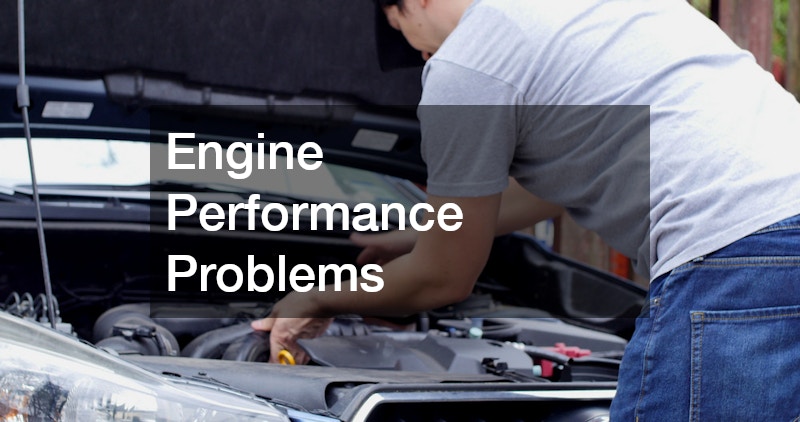
Engine performance issues often start with subtle warning signs. Drivers may notice rough idling, hesitation during acceleration, or a decrease in fuel efficiency. Sometimes the vehicle may feel sluggish or struggle to maintain consistent power.
These symptoms can result from a wide range of mechanical issues. Dirty fuel injectors, worn spark plugs, air intake restrictions, or ignition system failures are just a few possibilities. Without proper inspection, it can be difficult to determine the exact cause.
Professional technicians begin by scanning the vehicle’s computer system to identify diagnostic trouble codes. This helps narrow down the potential source of the issue before deeper inspection begins.
The Role of Preventive Care
Routine car maintenance plays a major role in preventing engine problems. Regular oil changes, filter replacements, and scheduled inspections ensure that critical engine components continue operating properly.
When engines are properly maintained, technicians can often catch developing issues before they become major mechanical failures. This proactive approach saves drivers both time and money.
Diagnostic Tools Used by Mechanics
Modern repair shops use advanced diagnostic equipment to evaluate engine performance. Computer scanners communicate with the vehicle’s onboard systems, identifying irregularities in sensors, fuel delivery, and ignition timing.
Technicians may also conduct compression tests, fuel pressure checks, and visual inspections to confirm their findings. This systematic approach allows them to pinpoint the root cause of the problem rather than simply addressing symptoms.
How Professionals Restore Performance
Once the issue has been identified, mechanics replace worn or damaged components and recalibrate engine systems if necessary. In many cases, simple adjustments or part replacements can restore the engine’s performance quickly.
By addressing problems early and following manufacturer service schedules, drivers can significantly reduce the likelihood of major engine repairs.
Brake System Failures
Warning Signs of Brake Issues
Brakes are one of the most important safety systems in any vehicle. When they begin to fail, drivers often notice squeaking noises, grinding sounds, or a soft brake pedal. Vibrations while braking or longer stopping distances are also warning signs.
Ignoring these symptoms can lead to dangerous driving conditions and potentially expensive repairs.
Components That Commonly Wear Out
Brake pads and rotors naturally wear down with use. Over time, the friction material on brake pads becomes thin, reducing their ability to slow the vehicle effectively. Rotors may also warp or develop grooves.
Other components such as calipers, brake lines, and hydraulic systems may also develop problems that affect braking performance.
Professional Inspection Methods
When drivers bring their vehicles in for brake repair services, technicians perform a thorough inspection of the entire braking system. This includes measuring pad thickness, evaluating rotor condition, and checking the brake fluid system.
Mechanics also test the responsiveness of the brake pedal and examine the hydraulic components that provide braking pressure.
Repairing and Restoring Safe Braking
After diagnosing the issue, technicians replace worn brake pads, resurface or replace damaged rotors, and repair any hydraulic components that may be leaking or malfunctioning.
Once repairs are complete, technicians perform test drives and safety checks to ensure that the braking system operates smoothly and reliably.
Transmission Troubles
Common Transmission Symptoms
Transmission problems often begin with noticeable changes in how a vehicle shifts gears. Drivers may experience delayed shifting, slipping gears, or unusual noises when accelerating.
In automatic vehicles, the transmission may struggle to engage properly or cause sudden jerking during gear changes.
Causes of Transmission Failure
Transmission systems rely on clean fluid, proper pressure, and precise mechanical movement to operate effectively. Low fluid levels, worn gears, or damaged seals can disrupt this process.
Heat buildup and neglected service intervals are among the most common reasons transmissions begin to fail.
Diagnostic Procedures
Specialists performing auto transmission repair use diagnostic scanners and mechanical inspections to determine whether the problem is electronic or mechanical.
Fluid condition is also examined carefully. Burnt or contaminated fluid often indicates internal wear that may require more extensive repair.
Repair and Rebuilding Processes
Depending on the severity of the problem, technicians may recommend fluid replacement, seal repair, component replacement, or a full transmission rebuild.
Because transmission systems are complex, experienced mechanics follow detailed procedures to ensure the repair restores proper performance and durability.
Steering and Alignment Issues

Symptoms of Alignment Problems
When a vehicle’s wheels are not properly aligned, drivers may notice the car pulling to one side, uneven tire wear, or difficulty keeping the steering wheel centered.
Steering may feel loose or unstable, especially at higher speeds.
Causes of Wheel Misalignment
Alignment issues can occur after hitting potholes, curbs, or road debris. Suspension wear can also cause wheels to shift out of their proper angles.
Over time, these small changes can affect vehicle handling and tire lifespan.
Professional Alignment Equipment
Repair shops use precision equipment to perform tire alignments. Laser-guided systems measure wheel angles and compare them to manufacturer specifications.
Technicians then adjust suspension components to restore proper wheel positioning.
Benefits of Proper Alignment
Correct alignment improves vehicle handling, increases tire longevity, and enhances overall safety.
Drivers who maintain proper alignment also experience smoother driving and better fuel efficiency.
Electrical System Failures
Warning Signs of Electrical Problems
Electrical issues can appear in many different ways. Drivers may experience dim headlights, malfunctioning dashboard displays, or problems starting the vehicle.
Power windows, door locks, and other electronic features may also stop functioning properly.
Causes of Electrical Malfunctions
Electrical systems rely on a network of wiring, sensors, and control modules. Corroded connections, damaged wiring, or faulty sensors can interrupt the flow of electricity.
Battery and alternator failures are also common causes of electrical problems.
Professional Diagnostic Methods
Technicians begin by testing the vehicle’s battery, charging system, and electrical circuits. Specialized testing tools allow them to trace wiring paths and locate broken connections.
Access to reliable local auto parts suppliers also helps ensure that replacement components match manufacturer specifications.
Restoring Electrical Function
Once the problem is identified, technicians repair damaged wiring, replace faulty components, and recalibrate electronic systems.
Suspension and Ride Problems
Signs of Suspension Wear
A vehicle’s suspension system plays a vital role in maintaining comfort, stability, and safe handling. When suspension components begin to wear out, drivers may notice excessive bouncing, uneven tire wear, or a rough ride when traveling over bumps.
Steering may also feel less responsive, and the vehicle may lean more when turning. These changes often indicate that parts of the suspension system are no longer functioning properly.
Common Suspension Components That Fail
Suspension systems include several key components such as shocks, struts, control arms, and bushings. Over time, these parts naturally wear down due to constant stress from road conditions.
Worn shocks and struts are particularly common problems. When they lose their ability to absorb impact, the vehicle becomes less stable and less comfortable to drive.
Professional Diagnostic Techniques
Technicians carefully inspect suspension systems to determine which components need attention. They check for worn bushings, leaking shock absorbers, and damaged mounting points.
During routine car maintenance, mechanics may also perform suspension inspections to catch early signs of wear before major problems develop.
How Repairs Improve Vehicle Stability
Once the faulty components are identified, technicians replace worn parts and ensure everything is properly aligned and secured. After repairs are complete, the vehicle’s ride quality typically improves significantly.
A properly functioning suspension system enhances both comfort and safety, especially when driving on uneven or rough roads.
Vehicle Body Damage and Exterior Repairs
Common Causes of Exterior Damage
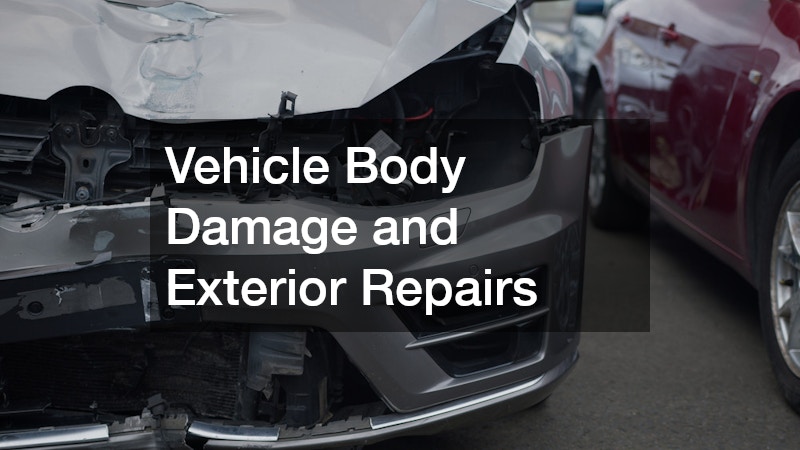
Vehicle bodies often suffer damage from minor accidents, parking lot incidents, hailstorms, or road debris. Even small dents and scratches can affect the appearance and resale value of a vehicle.
While some damage may appear purely cosmetic, deeper dents can sometimes affect underlying panels or structural elements.
Assessing Body Damage
When vehicles arrive at a repair shop with visible exterior damage, technicians conduct a detailed inspection to determine the severity. They examine the affected panels, paint condition, and any potential structural concerns.
This evaluation helps determine the best repair approach for restoring the vehicle’s appearance.
Repair Techniques Used by Professionals
Technicians performing dent repair services may use a variety of techniques depending on the damage. Paintless dent repair is often used for smaller dents where the paint surface remains intact.
For larger or more severe dents, body panels may require reshaping, filling, sanding, and repainting.
Restoring the Vehicle’s Appearance
Professional repair shops use specialized tools and techniques to ensure that repairs blend seamlessly with the vehicle’s original finish. Once the work is completed, the repaired area often looks nearly identical to the factory condition.
Properly addressing exterior damage not only improves aesthetics but also protects the vehicle from rust and long-term structural problems.
Windshield and Glass Damage
How Glass Damage Occurs
Windshields and windows are vulnerable to damage from flying debris, gravel, or sudden temperature changes. Even a small chip can quickly spread into a large crack if left untreated.
Because the windshield contributes to structural integrity and driver visibility, damaged glass should be repaired as soon as possible.
Evaluating the Extent of Damage
Technicians examine cracks or chips to determine whether the glass can be repaired or needs replacement. Small chips located away from the edges may be repairable, while larger cracks typically require new glass.
Drivers often seek professional auto glass services to ensure the damage is addressed safely and correctly.
Repair and Replacement Methods
For minor chips, technicians inject a special resin into the damaged area. This process restores strength and prevents the crack from spreading further.
When replacement is necessary, technicians carefully remove the damaged windshield and install a new one using specialized adhesives designed to maintain structural strength.
Safety Benefits of Professional Glass Repair
Properly repaired or replaced glass ensures clear visibility and maintains the structural support that windshields provide during collisions.
Professional installation also ensures that advanced driver assistance systems connected to windshield sensors continue functioning correctly.
Specialty Vehicle Repairs
Unique Needs of Certain Vehicles
Some vehicles require specialized repair knowledge due to their design, engineering, or age. High-performance vehicles, luxury imports, and vintage models often need technicians with specialized training.
Repairing these vehicles without the proper expertise can lead to costly mistakes.
Advanced Systems in Imported Vehicles
Luxury and imported vehicles often contain complex engineering and advanced electronics. These vehicles frequently require technicians who specialize in European auto repairs to ensure proper diagnosis and service.
These professionals understand the unique systems used by European manufacturers and follow precise service procedures.
Restoring Vintage Vehicles
Older vehicles present a different set of challenges. Replacement parts may be harder to find, and original manufacturing techniques may differ from modern repair methods.
Specialists who perform classic auto repair focus on preserving authenticity while ensuring that the vehicle remains safe and functional.
Maintaining Performance and Value
Whether servicing a luxury vehicle or restoring a vintage car, professional technicians use specialized tools and knowledge to maintain both performance and long-term value.
Proper care helps ensure that these unique vehicles remain enjoyable to drive for years to come.
Commercial and Heavy-Duty Vehicle Needs

The Importance of Reliable Work Vehicles
Businesses often rely on trucks and heavy-duty vehicles for daily operations. Delivery companies, construction firms, and transportation services depend on these vehicles to keep projects and schedules on track.
When these vehicles experience problems, downtime can affect productivity and revenue.
Common Problems With Work Vehicles
Heavy-duty vehicles often experience more stress than personal cars due to larger loads and longer operating hours. Engine wear, suspension strain, and drivetrain issues are common concerns.
Professional truck services help businesses maintain these vehicles and prevent unexpected breakdowns.
Preventive Inspections for Fleets
Many companies schedule regular inspections for their fleets to identify problems early. Technicians check engines, brakes, suspension systems, and other components that experience heavy use.
Routine inspections also allow mechanics to replace worn parts before they fail during operation.
Keeping Business Vehicles Operational
By providing specialized truck services, professional repair shops help businesses maintain reliable fleets. Quick diagnostics and timely repairs reduce downtime and ensure vehicles remain safe and efficient on the road.
Vehicle problems are an inevitable part of ownership, but understanding how they develop and how professionals address them can make a significant difference in how drivers respond. When issues are detected early and handled by experienced technicians, many repairs are straightforward and far less costly than waiting until the problem worsens.