How to Change a Car Battery When You’re Stuck on the Road
Key Takeaways
- A dead battery is one of the most common causes of roadside breakdowns and often shows warning signs before complete failure.
- Safety should always come first when replacing a battery, including moving to a secure location and using proper protective gear.
- Identifying and disconnecting the battery terminals in the correct order helps prevent electrical damage and injury.
- Cleaning battery terminals and securing the replacement battery properly can improve performance and reliability.
- Testing lights, electronics, and dashboard indicators after installation helps confirm the battery is functioning correctly.
- Regular battery inspections and charging system checks can reduce the risk of unexpected breakdowns.
- Keeping an emergency roadside kit with basic tools and safety supplies can make roadside situations easier to manage.
Few roadside problems are as frustrating as turning your key or pressing the start button and discovering your car won’t start. A dead battery can leave you stranded in a parking lot, on the side of a road, or far from home. While calling roadside assistance is often the safest and easiest solution, there may be situations where you need to replace the battery yourself.
Knowing how to safely change a car battery can help you get back on the road faster and avoid a lengthy wait for assistance. However, roadside battery replacement requires careful attention to safety, proper tools, and an understanding of your vehicle’s battery system.
This guide explains how to recognize a dead battery, safely replace it when you’re stranded, and take steps to prevent battery-related breakdowns in the future.
Understanding Why Car Batteries Fail
A vehicle battery provides the electrical power needed to start the engine and operate various systems.
Over time, batteries naturally wear out due to:
- Age
- Extreme temperatures
- Frequent short trips
- Corrosion
- Charging system issues
Most car batteries typically last between three and five years.
When a battery reaches the end of its lifespan, it may fail with little warning.
Signs Your Battery Is Dead
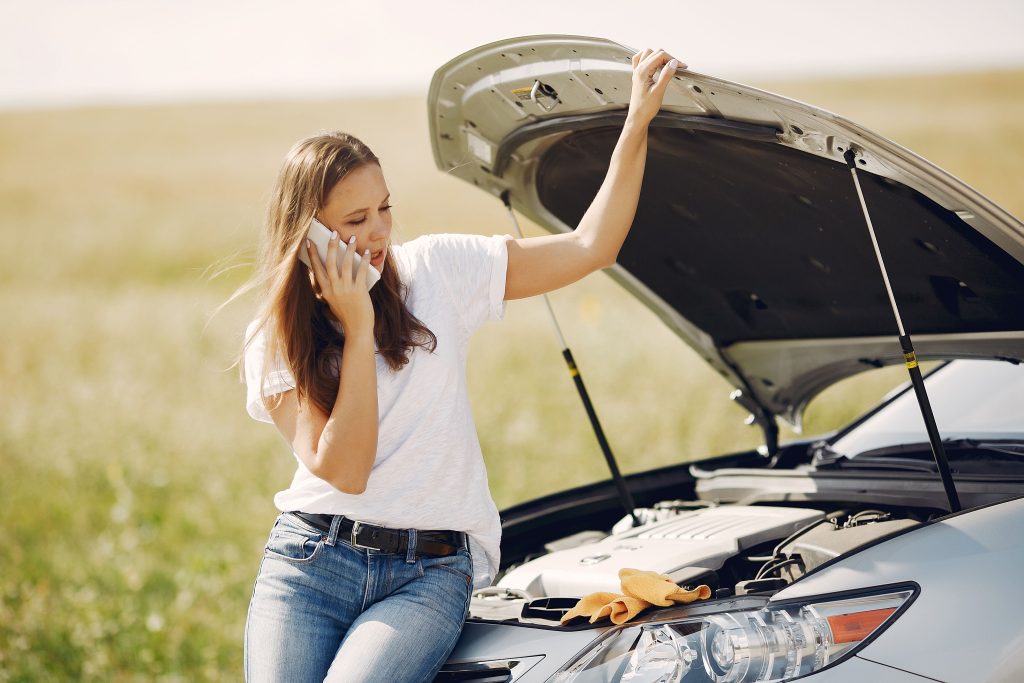
Before replacing a battery, make sure it is actually the source of the problem.
Common signs of a dead battery include:
- Engine won’t crank
- Clicking sounds when turning the key
- Dim headlights
- Dashboard lights flickering
- Electrical systems not responding
- Slow engine cranking
If these symptoms appear, the battery may need charging or replacement.
Determine Whether a Jump-Start Will Work
In some cases, the battery may simply be discharged rather than completely failed.
Try a jump-start if:
- The battery is relatively new
- The lights still function
- The battery was accidentally drained
A successful jump-start may allow you to drive to a repair shop for testing.
However, if the battery repeatedly dies or fails to hold a charge, replacement is often necessary.
Prioritize Safety First
Roadside repairs can be dangerous.
Before doing anything else:
Move to a Safe Location
If possible:
- Pull completely off the road
- Use a parking lot
- Choose a flat surface
Avoid changing a battery in active traffic whenever possible.
Turn on Hazard Lights
Hazard lights improve visibility for other drivers.
Set the Parking Brake
This helps prevent vehicle movement while working.
Wear Safety Gear
Recommended items include:
- Gloves
- Safety glasses
- Reflective vest
Safety should always come first.
Gather the Necessary Tools
Battery replacement is much easier when you have the proper equipment.
Useful tools include:
- Adjustable wrench
- Socket set
- Battery terminal cleaner
- Safety gloves
- Safety glasses
- Battery carrying strap
- Flashlight
Keeping these items in your vehicle can help during emergencies.
Verify You Have the Correct Replacement Battery
Not all batteries are the same.
Check:
- Battery size
- Terminal placement
- Cold cranking amps (CCA)
- Voltage requirements
Using the wrong battery may cause:
- Starting issues
- Electrical problems
- Installation difficulties
Consult your owner’s manual if needed.
Locate the Battery
In many vehicles, the battery is located under the hood.
However, some manufacturers place batteries:
- In the trunk
- Under seats
- Inside storage compartments
Locate the battery before beginning removal.
Inspect the Battery Area
Before disconnecting anything, inspect the battery carefully.
Look for:
- Corrosion
- Cracked casing
- Leaks
- Loose cables
If the battery appears damaged or leaking, use extra caution.
Battery acid can cause injury and damage vehicle components.
Turn Off the Vehicle Completely
Before disconnecting the battery:
- Turn off the engine
- Remove the key
- Turn off all accessories
This reduces the risk of electrical damage during replacement.
Identify Positive and Negative Terminals
Every battery has two terminals.
Positive Terminal
Usually marked:
- “+”
- Red cable
Negative Terminal
Usually marked:
- “-“
- Black cable
Identifying terminals correctly is extremely important.
Incorrect connections can damage electrical systems.
Disconnect the Negative Terminal First
The safest removal sequence begins with the negative terminal.
Steps
- Loosen the negative terminal clamp.
- Carefully remove the cable.
- Move it away from the battery.
Disconnecting the negative terminal first reduces the risk of accidental short circuits.
Disconnect the Positive Terminal
After removing the negative cable:
- Loosen the positive terminal clamp.
- Remove the cable carefully.
Avoid allowing metal tools to touch both terminals simultaneously.
This can create dangerous sparks.
Remove Battery Hold-Down Hardware
Most batteries are secured with brackets or hold-down clamps.
Use the appropriate tools to remove:
- Bolts
- Brackets
- Retainers
Keep all hardware together to prevent losing parts.
Lift Out the Old Battery Carefully
Car batteries are heavy.
Many weigh:
- 30 to 50 pounds or more
Use proper lifting techniques:
- Bend your knees
- Lift carefully
- Avoid twisting
A battery carrying strap can make removal easier.
Inspect the Battery Tray
After removing the battery, inspect the tray.
Look for:
- Dirt
- Corrosion
- Debris
- Rust
Clean the area if necessary.
A clean tray helps ensure proper installation.
Clean Battery Terminals
Corrosion often develops around battery terminals.
Common signs include:
- White buildup
- Green residue
- Blue deposits
Cleaning terminals helps improve electrical connections.
Cleaning Supplies
You may use:
- Battery terminal cleaner
- Wire brush
- Battery cleaning solution
Wear gloves and eye protection during cleaning.
Install the New Battery
Place the new battery into the tray.
Ensure:
- Correct orientation
- Proper terminal placement
- Stable positioning
The battery should sit securely within the tray.
Reinstall Hold-Down Hardware
Secure the battery using the original brackets or clamps.
The battery should not move or shift.
A loose battery may:
- Vibrate excessively
- Damage components
- Reduce battery lifespan
Proper securing is essential.
Connect the Positive Terminal First
When installing the new battery, reverse the removal process.
Positive First
- Attach the positive cable.
- Tighten securely.
Ensure the connection is snug but avoid overtightening.
Connect the Negative Terminal Last
After securing the positive cable:
- Attach the negative cable.
- Tighten properly.
This sequence helps reduce accidental electrical risks.
Double-Check Connections
Before attempting to start the vehicle:
Verify:
- Both terminals are secure
- Cables are fully seated
- Hardware is tightened
Loose connections may prevent the vehicle from starting.
Start the Vehicle
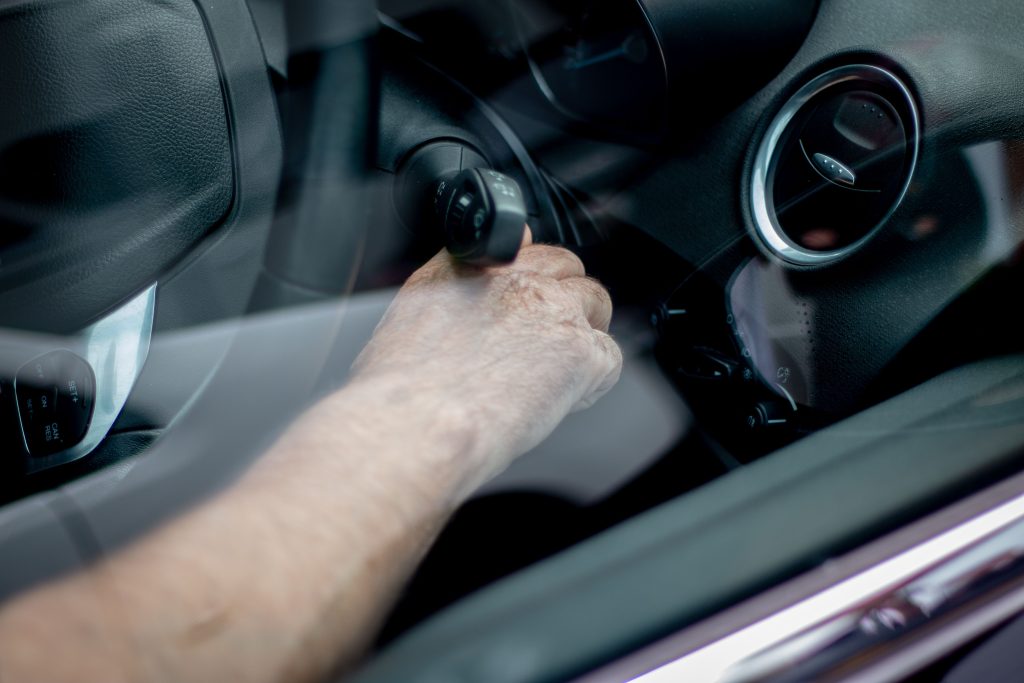
Once installation is complete:
- Start the engine
- Observe dashboard lights
- Listen for normal operation
A successful start usually indicates proper battery installation.
Check Electrical Systems
After startup, test:
- Headlights
- Interior lights
- Radio
- Power windows
- Climate controls
This helps confirm normal electrical operation.
Understand When the Alternator May Be the Problem
Sometimes a dead battery is only a symptom.
If a new battery quickly loses charge, the alternator may not be charging properly.
Possible alternator symptoms include:
- Battery warning light
- Dimming lights
- Repeated battery failures
Professional diagnosis may be needed.
Dispose of the Old Battery Properly
Car batteries contain hazardous materials.
Never place them in household trash.
Many locations accept old batteries for recycling, including:
- Auto parts stores
- Repair shops
- Recycling centers
Proper disposal protects the environment.
Know When Not to Replace a Battery Yourself
Roadside battery replacement is not always the best option.
Consider professional help if:
- Traffic conditions are dangerous
- Weather is severe
- You lack proper tools
- Battery access is complicated
- Electrical damage is suspected
Safety should always outweigh convenience.
Prevent Future Battery Problems
The best roadside repair is the one you never need.
Regular battery maintenance helps reduce the risk of breakdowns.
Check Battery Age
Most batteries should be monitored closely after three years.
Inspect Terminals
Look for:
- Corrosion
- Loose connections
Test Battery Health
Many auto parts stores offer free battery testing.
Watch for Warning Signs
Early signs of battery failure often include:
- Slow starting
- Weak electronics
- Frequent jump-starts
- Battery warning lights
Addressing these symptoms early can prevent unexpected breakdowns.
Prepare an Emergency Kit
A roadside emergency kit can be invaluable.
Recommended items include:
- Flashlight
- Gloves
- Basic tools
- Jumper cables
- Reflective triangles
- Phone charger
- First aid kit
Preparation can make stressful situations much easier to manage.
Maintain the Charging System
Battery health depends on a properly functioning charging system.
Have the alternator inspected if:
- Batteries fail repeatedly
- Electrical issues occur
- Charging warnings appear
A healthy charging system extends battery life.
Check the Battery Before Trips
One important aspect of vehicle maintenance before long drives is inspecting the battery and charging system.
A simple battery test before a road trip can help identify potential issues before they leave you stranded far from home.
Long-distance travel places additional demands on vehicle systems, making preventive inspections especially valuable.
Common Mistakes to Avoid
Connecting Terminals Incorrectly
Always verify positive and negative connections.
Skipping Safety Gear
Battery acid and sparks can be hazardous.
Forgetting Hold-Down Brackets
Loose batteries can cause serious damage.
Ignoring Corrosion
Corrosion can affect electrical performance.
Using the Wrong Battery
Always verify compatibility before installation.
Final Thoughts
Knowing how to change a car battery when you’re stuck on the road can be a valuable skill for any driver. While roadside assistance is often the safest option, understanding the replacement process can help you handle unexpected battery failures when help is unavailable or delayed.
By prioritizing safety, using the proper tools, following the correct installation sequence, and choosing the right replacement battery, many drivers can successfully replace a battery and continue their journey. Just as importantly, regular battery inspections and preventive maintenance can help reduce the chances of being stranded in the first place.
With preparation, knowledge, and a well-stocked emergency kit, you’ll be better equipped to handle battery-related problems and stay safe on the road.