
The Smart Drivers Guide to Road Trip Prep
Road trips have a way of turning ordinary drives into memorable experiences. Whether you’re heading across state lines or planning a long weekend escape, the freedom of the open road comes with one major responsibility: making sure your vehicle is truly ready for the journey ahead. Skipping proper preparation can turn a well-planned trip into a stressful situation faster than most drivers expect.
A smart road trip starts long before you load the trunk or set your playlist. It begins with understanding how each system in your vehicle contributes to safety, performance, and comfort over hundreds or even thousands of miles. Even small issues that seem manageable during daily commutes can escalate when your car is under sustained highway stress.
Many drivers assume that newer vehicles don’t need much attention before a long drive. In reality, wear and tear happens regardless of age, and extended travel amplifies existing weaknesses. Brakes, tires, fluids, and mechanical systems all work harder on road trips than they do in normal stop-and-go driving.
Preparation is also about reducing uncertainty. When you know your vehicle has been inspected, serviced, and repaired where needed, you can focus on the journey instead of worrying about warning lights or strange noises. Confidence behind the wheel makes every mile more enjoyable.
This guide is designed to help you think proactively about road trip readiness. Rather than offering generic advice, it walks through the most common repair and maintenance areas drivers should address before traveling. Each section explains why the service matters and how it protects both your safety and your investment.
You don’t need to be a car expert to prepare properly. Understanding the basics allows you to have informed conversations with mechanics and recognize when professional service is necessary. That knowledge alone can prevent costly breakdowns and unnecessary delays.
Road trip prep is not about overdoing it or fixing things that aren’t broken. It’s about smart, targeted preparation that aligns with how far you’re traveling, the conditions you’ll face, and the current state of your vehicle.
By the time you finish this guide, you’ll have a clear roadmap for preparing your car responsibly. The goal is simple: fewer surprises, smoother driving, and a trip that’s remembered for the destinations—not the detours to the repair shop.
Repairing Your Brakes
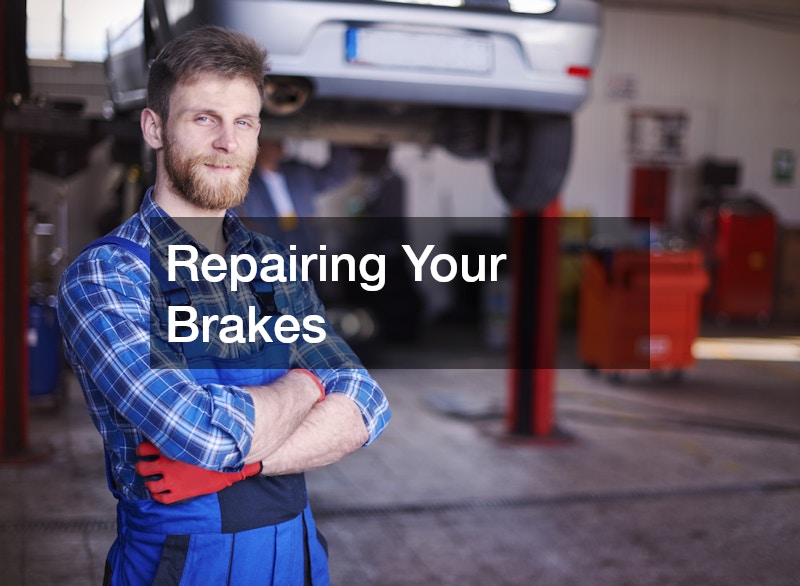
Your braking system is one of the most critical components to address before any long-distance drive. Brake repair should never be delayed, especially when road trips often involve higher speeds, unfamiliar terrain, and sudden stops. Worn brake pads or warped rotors may not feel urgent around town, but they become serious safety risks on highways and mountain roads.
Brakes experience more heat buildup during extended driving, especially when carrying extra weight from luggage or passengers. If your brakes already squeal, vibrate, or feel less responsive, those issues will only worsen over time. Addressing brake repair before leaving gives you consistent stopping power when it matters most.
A professional inspection can identify uneven pad wear, fluid issues, or failing components you may not notice. Even if your brakes seem fine, a quick check provides peace of mind. Safe stopping distance is not something you want to gamble with hundreds of miles from home.
Visiting a Mechanic
Before committing to a long drive, scheduling a visit with a qualified mechanic is one of the smartest decisions you can make. Reputable auto repair companies are equipped to evaluate your vehicle as a whole rather than focusing on a single issue. This comprehensive approach helps catch small problems before they escalate.
A mechanic can assess belts, hoses, suspension components, and fluids that often get overlooked. These parts may function adequately during short trips but fail under prolonged stress. Identifying wear early allows for proactive repairs rather than emergency roadside fixes.
Working with trusted auto repair companies also gives you documentation of service, which can be helpful if issues arise during your trip. More importantly, it gives you professional confirmation that your vehicle is road-trip ready, reducing uncertainty and anxiety.
Getting an Oil Change

Oil changes are one of the simplest yet most important steps in road trip preparation. Fresh oil ensures your engine stays properly lubricated during extended periods of operation. Old or degraded oil increases friction, heat, and the risk of engine damage.
Long highway drives may seem easier on engines, but they still require clean oil to manage sustained RPMs. If you’re close to your recommended service interval, it’s best to handle oil changes before you leave rather than trying to schedule one mid-trip.
An oil change appointment also allows technicians to check filters and fluid levels. These small inspections add another layer of protection, helping your engine perform efficiently and reliably throughout your journey.
Considering Ceramic Coating
While mechanical readiness is essential, protecting your vehicle’s exterior also deserves attention. An auto ceramic coating service can be a smart investment before a road trip, especially if you’ll be driving long distances or through varying weather conditions.
Ceramic coating creates a protective layer that repels dirt, water, and road grime. This makes it easier to clean your car during and after the trip while protecting the paint from UV damage and debris. Long hours on the road expose your vehicle to bugs, tar, and contaminants that can damage the finish.
Choosing an auto ceramic coating service before traveling helps preserve your vehicle’s appearance and long-term value. It’s a practical option for drivers who want both protection and easier maintenance on the road.
Repairing Your Transmission
Transmission repairs are not something you want to deal with during a road trip. The transmission handles gear shifting and power delivery, and any weakness in this system can leave you stranded. Slipping gears, delayed shifts, or fluid leaks should be addressed immediately.
Extended driving places consistent demands on the transmission, especially in hot weather or hilly terrain. Ignoring early warning signs increases the likelihood of breakdowns far from home. Preventative transmission repairs can save you from expensive towing and lengthy delays.
Even if a full repair isn’t necessary, a transmission inspection can confirm fluid condition and identify potential concerns. Addressing issues early ensures smooth shifting and reliable performance throughout your trip.
Getting Your Car Washed
A clean vehicle is more than just a cosmetic preference. Regular use of car wash services before a road trip helps remove dirt and debris that can damage paint and obscure visibility. Clean windows, mirrors, and headlights directly impact driving safety.
Washing your car also gives you a chance to inspect the exterior for cracks, chips, or loose trim. These small issues can worsen with high-speed driving and exposure to the elements. Identifying them early allows for timely repairs.
Using professional car wash services can be especially helpful before long trips, as they often include undercarriage cleaning. This removes road salt and grime that can contribute to corrosion over time.
Repairing Your Windshield

Your windshield plays a crucial role in structural integrity and driver visibility. Cracks or chips may seem minor, but they can spread quickly due to temperature changes and road vibrations. Addressing windshield damage through reliable auto repair services is essential before traveling.
Clear visibility is non-negotiable on long drives. Sun glare, rain, and nighttime driving all amplify the impact of windshield imperfections. Repairing small chips early prevents the need for full replacement later.
Professional auto repair services can assess whether a repair or replacement is necessary. Taking care of windshield issues beforehand ensures safer driving conditions and compliance with traffic laws in different regions.
Repairing Your Tires
Tires are your vehicle’s only contact with the road, making their condition critical for any trip. Proper tire maintenance and car repair reduce the risk of blowouts, poor handling, and reduced fuel efficiency. Uneven tread wear or low pressure can quickly become dangerous on highways.
Before leaving, inspect tread depth, sidewalls, and tire pressure. If tires are nearing the end of their lifespan, replacing them as part of routine car repair is a wise choice. Long drives put consistent stress on tires, especially in hot conditions.
Don’t forget to check your spare tire and jack as well. Preparedness includes knowing you can handle unexpected issues without relying solely on roadside assistance.
Repairing Your Bumper
Your bumper may seem purely cosmetic, but damage can affect safety systems and aerodynamics. Working with a qualified bumper repair company before a road trip ensures your vehicle remains structurally sound and compliant with safety standards.
Loose or cracked bumpers can worsen with wind resistance at highway speeds. They may also interfere with sensors used for parking assistance or collision avoidance. A professional bumper repair company can restore proper fit and function.
Addressing bumper issues also prevents further damage to surrounding components. It’s a preventative step that supports both safety and long-term vehicle condition.
Repairing Your Muffler

The exhaust system often goes unnoticed until problems arise. Muffler repair is important not just for noise control but also for engine efficiency and emissions. A damaged muffler can lead to decreased performance and increased fuel consumption.
Road trips involve extended engine operation, which puts constant pressure on the exhaust system. Leaks or corrosion can worsen quickly under these conditions. Addressing muffler repair beforehand reduces the risk of sudden failures.
A properly functioning muffler also ensures compliance with noise regulations in different areas. This avoids unnecessary fines or attention during your travels.
Preparing Your Vehicle for an Epic Road Trip
Preparing your vehicle properly sets the foundation for a smooth and enjoyable road trip. Each repair and service addressed in this guide plays a specific role in safety, performance, and reliability. When these systems work together, your car is better equipped to handle long distances without issue.
Taking the time to schedule inspections and necessary repairs helps you avoid reactive decisions on the road. Proactive maintenance allows you to control costs and timing rather than dealing with emergencies. That preparation translates into peace of mind behind the wheel.
Road trips often involve unpredictable conditions, from weather changes to unfamiliar roads. A well-prepared vehicle gives you the flexibility to adapt without stress. Knowing your brakes, tires, and mechanical systems are in good condition makes every mile more comfortable.
Exterior care and protective services also matter. Cleanliness, visibility, and paint protection contribute to both safety and vehicle longevity. Small details add up over hundreds of miles.
Mechanical reliability supports better fuel efficiency and smoother handling. Addressing oil changes, transmission concerns, and exhaust issues ensures your vehicle operates at optimal levels throughout the journey.
Preparation is not about perfection; it’s about responsibility. Smart drivers understand that investing time and attention before a trip saves far more time and money later.
By approaching road trip prep methodically, you reduce risks and increase enjoyment. The journey becomes something you look forward to rather than worry about.
Ultimately, an epic road trip starts with a vehicle you can trust. When your car is ready, you’re free to focus on the experience, the destinations, and the memories waiting ahead.
Road trips reward preparation in ways that aren’t always obvious until something goes wrong. When your vehicle has been thoroughly inspected and serviced, you’re less likely to face unexpected delays that disrupt your schedule or compromise your safety. That reliability allows you to stay focused on the road and enjoy the journey as it unfolds.
Vehicle preparation also supports better decision-making during your trip. When you’re confident in your car’s condition, you can take alternate routes, explore new destinations, or extend your drive without second-guessing whether your vehicle can handle it. That flexibility often turns a good trip into a great one.
Long drives can reveal weaknesses that daily driving never exposes. Addressing wear and tear ahead of time gives your vehicle the endurance it needs to perform consistently over long distances. This approach reduces stress on both the car and the driver, creating a more relaxed travel experience.
There’s also a financial advantage to proactive maintenance. Preventative repairs typically cost far less than emergency services, towing, or last-minute fixes in unfamiliar areas. Investing in preparation helps protect your budget as much as it protects your vehicle.
Prepared vehicles are safer vehicles. From reliable braking and responsive steering to clear visibility and proper tire traction, every system plays a role in reducing risk. When those systems are maintained, you’re better equipped to handle sudden stops, changing weather, and unexpected road conditions.
A well-prepared car contributes to better fuel efficiency and overall performance. Clean components, proper fluid levels, and balanced tires help your vehicle operate smoothly and efficiently. Over the course of a long trip, those efficiencies can make a noticeable difference.
In the end, road trip preparation is about respect—for your vehicle, your time, and your safety. Taking the steps to prepare properly ensures that your trip is defined by the places you visit and the experiences you gain, not by avoidable breakdowns or delays along the way.